Engage Aotearoa

Author Archives: Admin

Posts by 'admin' on the Engage Mental-Health News and Events Blog are shared on behalf of third parties to help make information about mental-health news and events easier to find and do not necessarily reflect the views of Engage Aotearoa or Community Mental-Health Resources Trust. News and events posted with the tag 'Engage Updates' are written by and/or about Engage Aotearoa.

Philip Patston’s TedX Talk About Labels Available Online

In 2012 diversity activist Philip Patston gave a talk on the topic of labels at the TedX Auckland event. Earlier this July, The NZ Herald uploaded Patston’s TedX Talk to their website.

You can watch it here.

“Philip Patston is best recognised for his ten-year career as a comedian and entertainer, but it’s his passion for social change that is getting him noticed. An alumni of the New Zealand Social Entrepreneur Fellowship, Philip is a passionate believer that we have a powerful opportunity to reimagine diversity. His focus is on engaging people to achieve positive social change by reinventing the labels with which we categorise ourselves and each other.”

CMHRT Welcomes New Board Members

Community Mental-Health Resources Trust (CMHRT) have elected four new Trustees to the board that sits behind the Engage Aotearoa website. The board now has nine trustees and is looking forward to what the future will bring. 

Meet the New CMHRT Trustees:

Taimi Allan is known for her high quality work on New Zealand’s ‘Like Minds, Like Mine’ programme, for the creation of reTHiNK, for her role at Mind and Body Consultants, as an expert speaker on social media for suicide prevention and as being a pragmatic and diplomatic policy advisor. As a leader in the field of mental health in New Zealand, Taimi is a highly sought after presenter, with measured success in reducing stigma and discrimination through innovative health promotion strategies including tailored education and training packages, social technology, media communications, entertainment and event production.

Emma Edwards holds a BA (Hons) in Psychology (University of Otago) and MSc in Health Psychology (University of Auckland). She is currently completing her Doctorate. Emma worked in the mental health field for approximately 4 years at the NGO Recovery Solutions (formerly Challenge Trust). She held roles as a support worker and then a DAPAANZ registered mental-health professional at a residential intensive rehabilitation service. Emma then became the Service Coordinator and established a new youth respite mental health service. When she began her doctorate, Emma worked as a trainer for Recovery Solutions, facilitating trainings and advising staff. Emma has service-user and family experience with mental health struggles and is passionate about working hard to impact mental health perceptions, policies, and resources on a larger scale.

Dean Manly has a background in supported employment, project research and writing, strategic planning, delivery and evaluation, and NGO Governance. Dean graduated from The University of Auckland Faculty of Arts with a MA (1st Class Hons) in 2000. His Doctor of Philosophy Research (2009) investigated representations of mental-health problems in cinema in order to examine the myths and assumptions shared by the popular culture media. He found stereotypes of the ‘Other’ are coded into western culture images and narratives. This was especially true for disenfranchised or marginalised groups othered by society. Dean is known for roles as National Manager of the Like Minds, Like Mine Project for the Mental Health Foundation of New Zealand and previous chairperson of the Council for Mental Wellbeing Trust (now Changing Minds).

Sheree Veysey is a counsellor and trainer who was initially drawn to working in the field of mental health through her lived experience of mental unwellness. She is passionate about people finding their own unique recipes for wellbeing and recovery which attend to the whole person and their situation. She has a Masters of Social Practice, Bachelor of Communication Studies and is a provisional member of the New Zealand Association of Counsellors. Sheree is also a writer and musician, as well as an adoring auntie and dog owner.

Being Me: Watch the Documentary Online

If you missed the TV One Attitude doco about Chris McMurray on Sunday July 14, you can watch it online here.

Chris McMurray, a talented performance poet and rapper was diagnosed with schizophrenia and bi-polar disorder when he was a teenager. Today he uses his art to convey life with a mental illness.

The Attitude documentary is half an hour long and follows Chris as he attempts to learn more about his father and himself.

Impact of Welfare Reforms on People with Mental-Health Problems and Disabilities

Carmel Sepuloni, CEO of Vaka Tautua writes about the welfare reforms that came into effect on the 15th of July…

Welfare reforms and the impact on those living with mental health issues and/or disability

The truth is that some view the recently announced welfare reforms as the ‘kick in the butt’ that the unemployed need to get them actively looking for work. If only it were that simple. If only jobs were plentiful and barriers to employment didn’t exist.

I decided to look specifically at the changes in relation to those living with disability and / or with mental health issues – at the end of the day we at Vaka Tautua need to know how our Pacific clients are impacted by these changes.

When looking over the submissions to this bill there was no mistaking that there is strong support and appreciation for appropriate employment. No one denied the positive impact that appropriate employment can have on people’s physical, mental, emotional, social and financial wellbeing. There was general acceptance of the changes to the benefit titles – in fact some felt that this was a positive move, citing a negative stigma attached to previous titles. However there were some very real and serious concerns raised about the legislation.

Keep Reading on the Vaka Tautua website…

No. 140: Observe the Facts of the Moment

This week, to attain, maintain or regain my sense of wellbeing… Coping Kete once a day, I will practice distracting myself from unhelpful thoughts by mindfully interrupting myself in the middle of an ordinary daily task and spending a few seconds observing and describing the current moment to myself without using any emotional words. While I am observing and describing the current moment to myself I will practice belly breathing to help me relax. Once I have observed and described each element of my current moment to myself, I will go back to my task. I could use an alarm to help me remember to interrupt myself each day. I will pass my mind over the space I am in, the people present, what they are doing, what the air feels and smells like, the weather, the sounds around me, the scene out the window, the position of my body in the room, the sensations within my body – all of the physical facts of the moment. If I notice my mind making judgements about anything I observe, I will watch the judgement pass by me like a train and turn my mind back to describing the moment around me. Everything but these observable facts is my perception. I can choose which perceptions to attach myself to and which perceptions to let pass me by. I will remember this as I move back into my task. Once I am comfortable with interrupting an ordinary experience to mindfully connect with the physical moment, I will add the strategy to my Personal Coping Kete as a way to interrupt distressing thoughts and get some space from my emotions. When I notice I am getting distressed, I will give myself permission to let go of my worry for a little while and turn my attention to my breath and the physical facts of the moment around me. I will keep observing and describing the physical facts of the situation until I have calmed down and am able to think a bit more clearly about how to cope. As distressing thoughts come into my mind I will observe them as they pass by, without chasing after them and turn my mind back to noticing the physical facts of the situation and continue with my breathing until I am feeling calmer.

Updates from the International Initiative for Mental Health Leadership

Following is a series of articles from the May IIMHL Update

Greater Choice of Clinician in England

From April this year people referred by their GP to secondary mental health providers in England have the right to choose the professional-led team (which may or may not be led by a psychiatrist) which treats them. From April next year this choice at the point of referral will be extended further, to include choice of provider as well as choice of team within that provider.

The policy was set out in a recent consultation response. The accompanying ‘choice framework’ sets out patient entitlements:
https://www.gov.uk/government/publications/government-response-to-the-consultation-on-proposals-for-greater-patient-involvement-and-more-choice

The policy lead for this work within the Department of Health mental health policy team is Michael West (michael.west@dh.gsi.gov.uk). He would be happy to discuss this work further with anyone who is interested.

Well-being in the UK

Measuring National Well-being: Life in the UK 2012 provides a unique overview of well-being in the UK today. The report is the first snapshot of life in the UK to be delivered by the Measuring National Well-being programme and will be updated and published annually. Well-being is discussed in terms of the economy, people and the environment. Information such as the unemployment rate or number of crimes against the person are presented alongside data on people’s thoughts and feelings, for example, satisfaction with our jobs or leisure time and fear of crime. Together, a richer picture on ‘how society is doing’ is provided.

http://www.ons.gov.uk/ons/dcp171766_287415.pdf

Probation Services and Mental Health
(2012, December). London: Centre for Mental Health
Report
Research suggests that 39% of offenders supervised by probation services have a current mental health condition. Yet mental ill health in the probation caseload is, for the most part, unrecognised and untreated. This briefing paper summarises the current and potential future links between health and probation services relevant to the needs of offenders with mental health conditions. It is based on data collected by the University of Lincoln showing the prevalence of a range of mental health conditions among one probation service caseload and the proportion of those people receiving treatment and support (Brooker et al., 2012).

E-mental Health: What’s all the fuss about?
(2013, January). London: NHS Confederation. Discussion paper number 12
Report
This paper looks at how the mental health sector might make the most of opportunities offered by e-mental. It gives examples of how service users, mental health providers and other organisations are already embracing e-mental health to bring about change.

Developing Family Leadership
A Discussion Paper on Personalised Transition from The Centre for Welfare Reform

Dr Pippa Murray, ibk initiatives, June 2011

Increasingly public services are waking up to the need to let families lead – not abandoning them, not burdening them – but building the right kind of supportive relationships that let families control their own destiny with respectful support. This discussion paper by Pippa Murray is a product of our Personalised Transition programme and reflects practical learning across Yorkshire and Humber.

To download a copy of this report, use the following link:

http://bit.ly/developing-family-leadership

General enquiries about this update or for other IIMHL information please contact Erin Geaney at erin@iimhl.com

Read the June IIMHL Newsletter online here.
Real Life Story on TV One this Sunday 14 July at 8:30 am

Chris McMurray is a poet and a rapper. Words are his thing.

At nine he lost his father to a fatal heart attack… and he went down a disruptive path of drug use, after which he was diagnosed with Schizophrenia and Bipolar disorder.

Now at the age of twenty-two Chris uses his art to express what it’s like living with mental health problems and is looking to the future.

Share his story in the documentary this Sunday the 14th of July at 8:30 am on TV One.

Check out the promo clip here on Youtube.

No. 139: Replace “I Can’ t” with “I Don’ t”

This week, to attain, maintain or regain my sense of wellbeing…\r Coping Kete…I will practice using my word-choices to help me work towards my goals. Often, when we want to make changes, there is something we want to stop doing and other things we want to do more of. This week, I will practice choosing words that focus on my control and power to decide. Research has shown that often when we start telling ourselves ‘ I can’ t do xyz thing’ we tend to want to do that very thing even more. Only one out of ten people who tried to cut back on chocolate by telling themselves “I can’ t eat chocolate” actually managed to stop eating chocolate. On the other hand, the same study showed that eight out of ten people who told themselves “I don’ t eat chocolate” managed to reach their goal. Telling ourselves that we can’ t do things tends to leave us feeling restricted and wanting to rebel against ourselves, telling ourselves that we don’ t do things tends to leave us feeling like we control what we choose to do. So this week, I am going to practice noticing myself thinking “I can’ t do that now” or “I am not allowed…” and I am going to mindfully replace the word ‘ can’ t’ with ‘ don’ t’ … “I don’ t do that now”. As I move through the week, I’ ll try to notice how this affects me, when the strategy is useful and what I do with the strategy to make it work for me. There might be times when I really can’ t do something, like fly down to the bus stop, but I might be surprised at just how often the things I think are limits are really choices and preferences that I have. Once I am comfortable with replacing my can’ ts with don’ ts on a day-to-day kind of basis, I will add the strategy to my Personal Coping Kete as a way of engaging with my goals to stop things that are no longer helpful to me. I will be able to pick up on any unnecessarily limiting thoughts I am having about my goals as things “I can’ t do” and use my self-talk to transform the can’ ts into don’ ts. If there is something I want to change, like to stop drinking alcohol or taking drugs, I will be able to take control of my language to help soothe the pressure from the situation and make myself feel more in charge of what I am doing. I might make a list of the things I feel like I can’ t do anymore, and then re-write each item using the words I don’ t, and keep the list with me for times when I’ m feeling tempted.

Announcements from Changing Minds: Diverse City, New Manager and Mental Blocks.

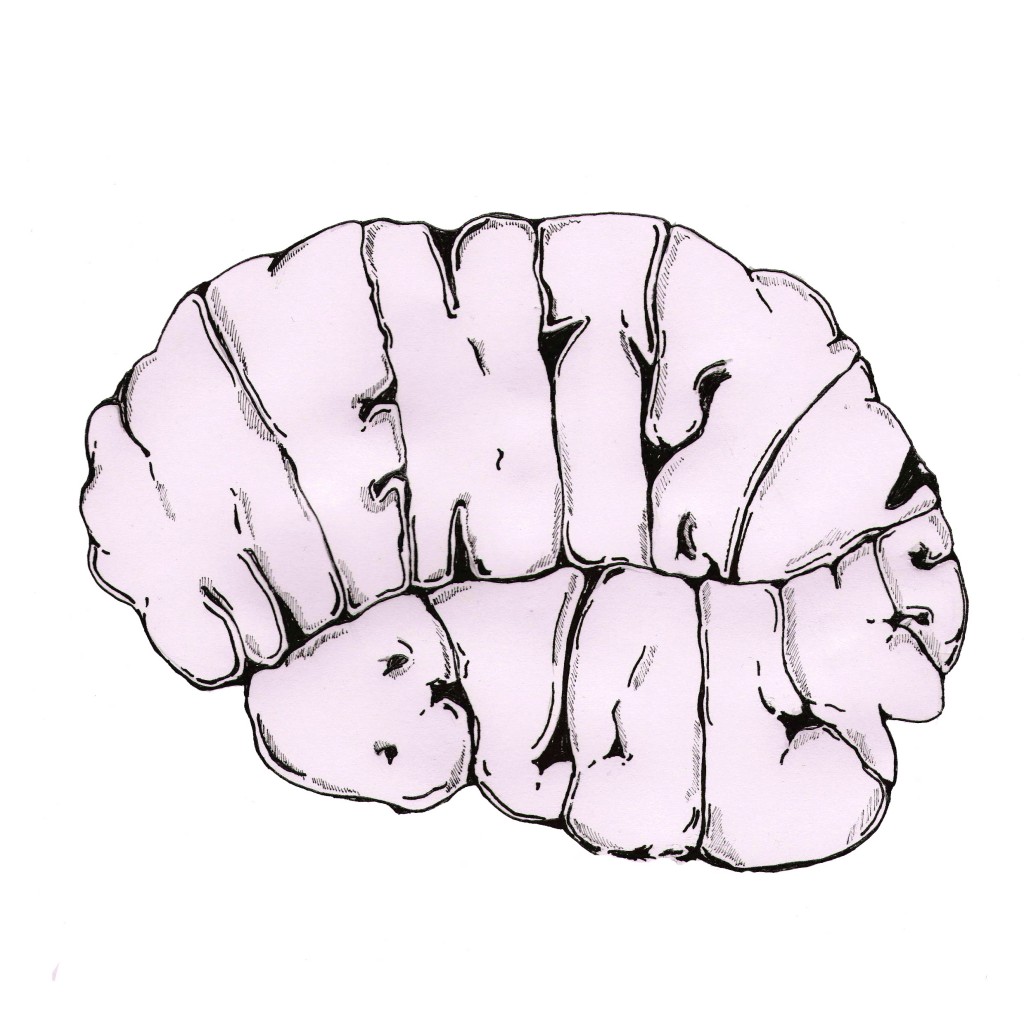
Changing Minds launched the first issue of Diverse City last week, a brand new quarterly print-magazine that aims to start conversations that promote diversity and acceptance.

Find out more about Diverse City and how to get a copy on the Changing Minds website.

MENATL-BLOCKS-BRAIN-ONLY-1024x1024

Tina Helm has left Changing Minds for the shores of Australia and new manager Ainslie Gee is now settling in.

Changing Minds has opened submissions for a new project called Mental Blocks, which, like the old reTHiNK Grant, offers funds for creative community projects that change the way people think about mental-health problems.

You can apply for up to $2 000 to bring your project to fruition and they say they will consider anything. 

Applications are due: Friday 30 August 2013, before 5pm.

Engage Community Resources Directory Updated 3 July 2013

The Engage Community Resources Directory has had another round of updates added, including…

  • A Psychiatrists Section that lists most of the community mental-health services in the country
  • More Crisis Teams
  • Rotorua, Tokoroa, Hamilton therapists added
  • Plus other services that have been sent in from community members. Keep them coming, guys!

The information manager at Engage Aotearoa still has stacks of services waiting to be added, so keep an eye out for next month’s update. As usual, there is so much more waiting to be shared.

Visit The Community Treasure Chest to check out your own copy of The Community Resources Directory.